Table of Contents
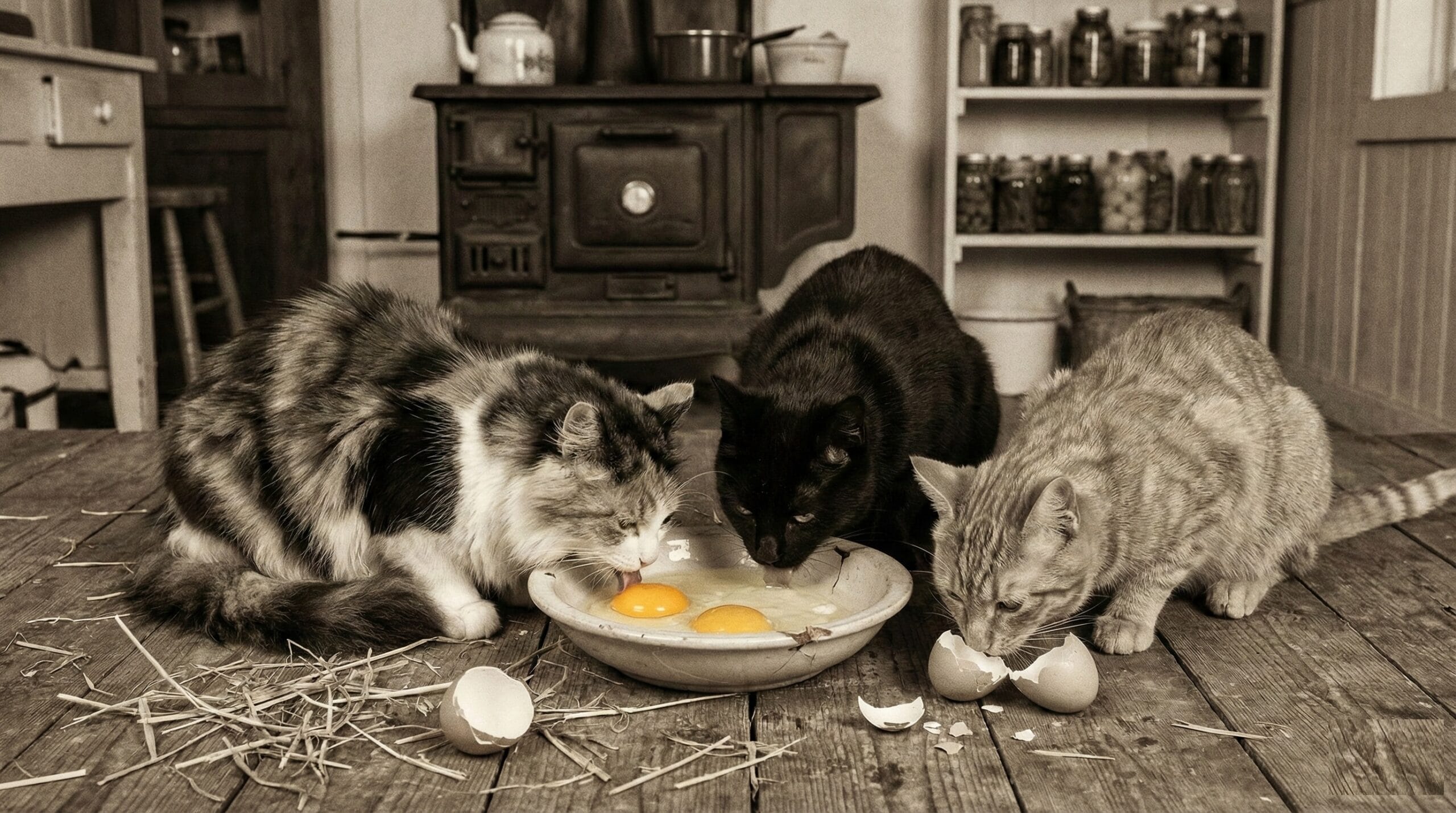
Every cat owner knows the feeling: you’re cracking an egg for breakfast, and suddenly, your feline friend is winding around your legs, looking up with wide, pleading eyes. They seem interested, but as responsible pet parents, we have to pause and ask the critical question: can cats eat raw eggs safely?
The world of feline nutrition is filled with conflicting advice. Some proponents of raw diets swear by the health benefits of uncooked food, while veterinarians often warn of the hidden dangers lurking in raw proteins. If you are confused, you are not alone.
In this comprehensive guide, we will cut through the noise. You will learn the nutritional facts, the potential risks of Salmonella and biotin deficiency, and the best ways to include eggs in your cat’s diet without compromising their health. Let’s crack this topic wide open.
The Short Answer: Can Cats Eat Raw Eggs?
Technically, yes, cats can eat raw eggs in the sense that they are not toxic in the way chocolate or onions are. However, the more important question is whether they should.
The consensus among most veterinary nutritionists is no. While eggs are a nutritional powerhouse, the risks associated with feeding them raw—specifically bacterial contamination and vitamin interference—often outweigh the potential benefits.
While wild cats may occasionally consume bird eggs (shell and all), our domesticated house cats have different lifestyles and immune system tolerances. Feeding raw eggs introduces unnecessary risks that can be easily avoided by simply cooking the egg.
Why Do Cats Crave Eggs?
Cats are obligate carnivores, meaning their bodies are designed to thrive on animal protein. Eggs are a complete protein source, rich in amino acids and fat, which appeals to a cat’s primal instincts. The smell of the sulfur and fat in an egg can be incredibly enticing to a hungry feline.
The Nutritional Breakdown: Are Eggs Good for Cats?
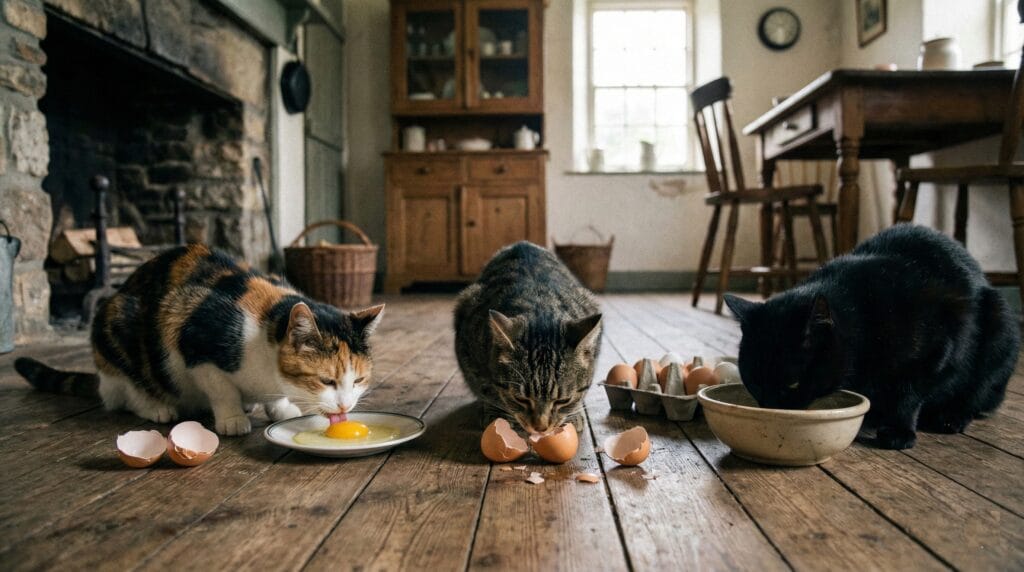
Before we dive deeper into the raw vs. cooked debate, it is essential to understand why eggs are considered a “superfood” in the animal kingdom.
Key Nutrients in Eggs
- High-Quality Protein: Eggs contain all ten essential amino acids that cats cannot produce on their own.
- Taurine: Essential for heart health and vision.
- Vitamin A: Crucial for skin, coat, and immune function.
- Vitamin B12 (Cobalamin): Vital for the nervous system and digestion.
- Riboflavin (Vitamin B2): Helps break down proteins, fats, and carbohydrates.
- Iron: Necessary for healthy red blood cells.
The Yolk vs. The White
- The Yolk: This is where the fat and the majority of the vitamins and minerals live. It is the most nutrient-dense part of the egg and usually the tastiest part for cats.
- The White: This is almost pure protein. However, raw egg whites contain a specific protein called avidin which can be problematic for cats (more on this below).
The Dangers: Why Raw Eggs Are Risky
When you search “can cats eat raw eggs,” you will often find warnings about two primary issues: bacterial infections and nutritional deficiencies. Let’s break these down so you understand the severity.
1. Bacterial Contamination (Salmonella and E. coli)
The biggest risk of feeding raw eggs is food poisoning. According to the Centers for Disease Control and Prevention (CDC), raw food diets pose a significant risk not just to pets, but to the humans in the household as well.
- Salmonella: Cats are generally more resistant to Salmonella than humans, but they are not immune. A cat infected with Salmonella can suffer from severe gastrointestinal distress, including vomiting, diarrhea, and fever.
- Cross-Contamination: Even if your cat doesn’t show symptoms, they can become a carrier. This means they shed the bacteria in their stool. If your cat uses a litter box inside your home, they could spread Salmonella to you or your children.
- E. coli: Similar to Salmonella, this bacteria can cause severe dehydration and systemic infection in cats, particularly those with weakened immune systems (kittens or senior cats).
2. The Avidin-Biotin Conflict
This is a fascinating bit of biochemistry that every cat owner should know. Raw egg whites contain a protein called avidin.
- The Mechanism: Avidin binds tightly to biotin (Vitamin B7).
- The Result: Because avidin binds so strongly to biotin, it prevents the cat’s intestines from absorbing this essential B vitamin.
- The Long-Term Effect: Over time, consuming large amounts of raw egg whites can lead to a biotin deficiency.
Signs of Biotin Deficiency in Cats:
- Dry, flaky, or scaly skin.
- Excessive shedding or hair loss (alopecia).
- Slow growth in kittens.
- Diarrhea.
Note: Cooking the egg denatures (breaks down) the avidin, neutralizing its ability to block biotin absorption. This is why cooked eggs are generally considered safe, while raw whites are not.
3. Allergic Reactions
While less common than chicken or beef allergies, some cats are allergic to eggs. Introducing raw eggs can trigger an immediate allergic response in sensitive felines.
Raw vs. Cooked Eggs: A Detailed Comparison
To help you visualize the difference, here is a comparison of feeding raw versus cooked eggs to your cat.
| Feature | Raw Eggs | Cooked Eggs (Boiled/Scrambled) |
| Protein Content | High | High (unchanged) |
| Digestibility | Moderate (Raw proteins can be harder to digest) | High (Cooking breaks down protein structures) |
| Salmonella Risk | High | None (if cooked thoroughly) |
| Biotin Absorption | Poor (Due to Avidin in whites) | Good (Avidin is neutralized) |
| Mess Factor | High (Sticky and runny) | Low (Easy to chop and serve) |
| Expert Recommendation | Generally Not Recommended | Recommended as an Occasional Treat |
How to Safely Introduce Eggs to Your Cat’s Diet
If you want to give your cat the nutritional benefits of eggs without the risks, follow these practical steps.
Step 1: Cook It Thoroughly
The simplest way to make eggs safe is to apply heat.
- Hard-Boiled: This is the best method. It requires no added fats. Simply boil the egg, peel it, and chop a small piece for your cat.
- Scrambled: You can scramble an egg, but do not use oil, butter, salt, or pepper. Seasonings and fats used in human cooking can cause pancreatitis or sodium poisoning in cats.
- Poached: Poaching in plain water is also acceptable, provided the white is fully cooked.
Step 2: Portion Control
Eggs are calorie-dense. A single egg contains about 70-80 calories. Considering an average 10-pound cat only needs roughly 200-250 calories a day, a whole egg is massive—equivalent to a human eating several Big Macs in one sitting.
- Serving Size: Offer no more than one tablespoon of cooked egg.
- Frequency: Treat eggs as a snack, not a meal. Feed this 1-2 times per week maximum.
Step 3: Observe Your Cat
After feeding your cat egg for the first time, watch them closely for 24 hours. Look for signs of an upset stomach or allergic reaction (scratching, ear inflammation, vomiting).
What About Eggshells?
Believe it or not, eggshells are an excellent source of calcium. However, feeding large sharp shards of raw shell is dangerous.
- How to serve: Clean the shells, dry them in the oven, and grind them into a fine powder. This powder can be sprinkled over wet food as a calcium supplement, but consult your vet before adding supplements to a balanced diet.
Symptoms of Raw Egg Intolerance or Infection
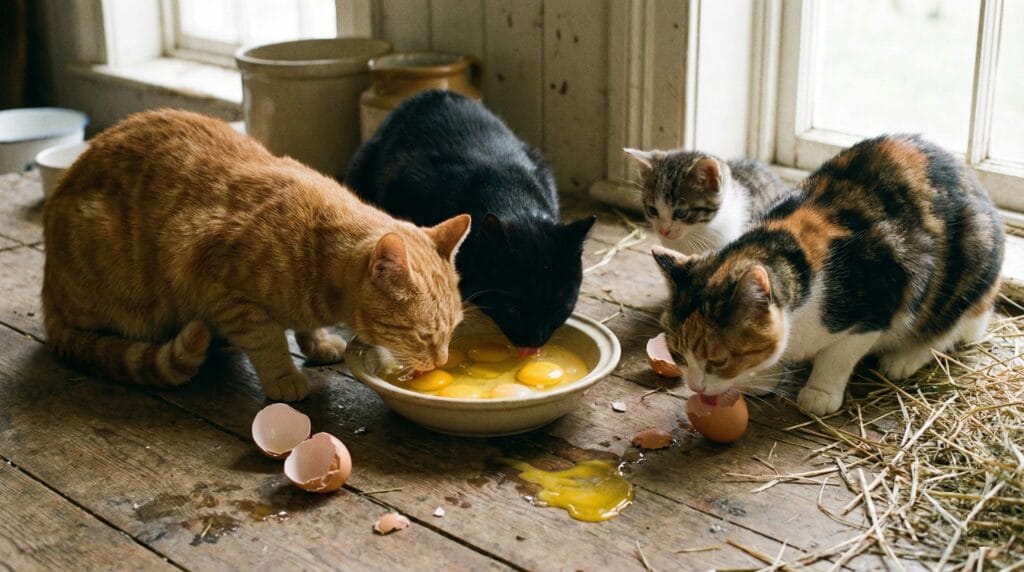
If your cat managed to steal a raw egg off the counter, or if you have been feeding raw eggs and are now concerned, here is what you need to look out for.
Signs of Salmonella Poisoning (Salmonellosis)
Symptoms usually appear within 12 to 72 hours after ingestion.
- Gastrointestinal Distress: Severe diarrhea (sometimes bloody), vomiting, and refusal to eat.
- Systemic Signs: Fever, lethargy, and weakness.
- Dehydration: Sunken eyes, dry gums, and skin tenting.
Signs of Biotin Deficiency
This is a slow-developing condition and won’t happen from eating one raw egg. It typically occurs after weeks or months of regular raw egg white consumption.
- Dermatitis: Crusting around the nose, eyes, and mouth.
- Coat Issues: Dull fur, hair loss, and color changes.
- Metabolic Issues: Weight loss despite a good appetite.
Immediate Action: If you notice any of these symptoms, contact your veterinarian immediately. Early treatment for Salmonella involves supportive care (fluids) and sometimes antibiotics.
Real-World Scenarios
Scenario A: The Accidental Spill
You drop an egg on the kitchen floor, and before you can grab a paper towel, your cat, Luna, laps up a good portion of the yolk and white.
What to do: Don’t panic. The likelihood of a healthy cat getting sick from a single exposure is relatively low. Monitor Luna for the next day or two. Ensure she has plenty of fresh water. If she vomits or has diarrhea, call the vet.
Scenario B: The “Raw Diet” Enthusiast
You read online that raw diets are better and decide to crack a raw egg over your cat’s kibble every morning.
What to do: Stop immediately. While the intention is good (adding protein), the daily consumption of raw whites puts your cat at high risk for biotin deficiency. Switch to a boiled egg topper once or twice a week instead.
Expert Perspectives
What do the professionals say about the question “can cats eat raw eggs?”
Dr. Ernie Ward, Veterinarian:
“While eggs are a great source of protein, the risk of Salmonella and E. coli is real. I always recommend cooking eggs before sharing them with your pet to eliminate bacterial risks and destroy the avidin protein.”
The American Veterinary Medical Association (AVMA):
The AVMA discourages the feeding of raw or undercooked animal-source protein to dogs and cats due to the risk of illness to the pet and human family members.
The veterinary community is largely aligned: Cook the egg. The benefits remain, but the risks vanish.
Conclusion
So, can cats eat raw eggs? While they can physically digest them, the risks of bacterial infection and nutritional deficiency make it a gamble that simply isn’t worth taking.
We all want the best for our feline companions. We want them to have glossy coats, bright eyes, and high energy. Fortunately, you can achieve all of this by simply cooking the egg. A small piece of hard-boiled or plain scrambled egg serves as a fantastic, protein-rich treat that avoids the dangers of Salmonella and biotin depletion.
Key Takeaways:
- Avoid Raw: The risk of Salmonella and avidin (biotin blocking) is too high.
- Cook It: Boiling or scrambling without seasoning is the gold standard.
- Treat, Don’t Meal: Eggs should be a supplement, not a meal replacement.
- Consult Your Vet: Always check with your vet if your cat has special dietary needs.
Your Next Step: Next time you make a weekend breakfast, set aside a small portion of egg before you add salt or butter. Scramble it plain, let it cool, and offer a teaspoon to your cat. Watch them enjoy a safe, healthy, and delicious treat!
Disclaimer: This article is for informational purposes only and does not constitute veterinary advice. Always consult with a professional veterinarian regarding your pet’s health and diet.
More to read:
1. Hill’s Pet Nutrition
- What it verifies: Confirms that raw eggs contain avidin, an enzyme that interferes with the absorption of biotin (Vitamin B7), leading to skin and coat problems. It also highlights the risk of Salmonella and E. coli.
- Link: Hill’s Pet Nutrition: Can Cats Eat Eggs?
2. Purina
- What it verifies: Supports the advice that eggs should be cooked to be safe. It also provides the “10% rule” for treats (eggs should not exceed 10% of daily calories) and confirms that eggs are a good source of amino acids like taurine.
- Link: Purina: Can Cats Eat Eggs? A Guide to Safety
3. Centers for Disease Control and Prevention (CDC)
- What it verifies: The serious health risks of raw pet food diets (including raw eggs) not just for pets, but for human owners due to cross-contamination.
- Link: CDC: Pet Food Safety and Raw Diets
4. ASPCA (American Society for the Prevention of Cruelty to Animals)
- What it verifies: Lists raw eggs specifically under “People Foods to Avoid Feeding Your Pets” due to the risk of Salmonella and skin issues caused by avidin.
- Link: ASPCA: People Foods to Avoid Feeding Your Pets
5. American Veterinary Medical Association (AVMA)
- What it verifies: Their official policy discourages the feeding of raw or undercooked animal-source protein to cats and dogs due to the risk of illness.
- Link: AVMA Policy on Raw or Undercooked Animal-Source Protein
Frequently Asked Questions (FAQs)
Can cats eat raw egg yolk?
Raw egg yolk is safer than the white because it does not contain avidin. However, the risk of Salmonella remains present in the yolk. While some owners feed raw yolks for a shiny coat, cooking the yolk is safer and retains the nutritional value.
Can kittens eat raw eggs?
Absolutely not. Kittens have developing immune systems and are much more susceptible to severe illness from bacteria like Salmonella. Additionally, they need a very specific balance of nutrients for growth, which raw eggs can disrupt.
Is it okay to mix raw egg with cat food?
It is not recommended. Mixing raw egg with kibble or wet food creates a breeding ground for bacteria if the food sits out. It also introduces the avidin issue mentioned earlier. Stick to cooked egg as a topper.
How many eggs can a cat eat in a week?
A cat should not eat a whole egg in one sitting. You should limit egg intake to about half an egg to one full egg per week, divided into small portions.
Can cats eat scrambled eggs with milk?
Cats should generally avoid milk as most adult cats are lactose intolerant. Scrambled eggs are great, but make them with water, not milk or butter.
Do raw eggs help with hairballs?
There is anecdotal evidence suggesting the lecithin in egg yolks helps manage hairballs, but there is no concrete scientific backing that raw is better than cooked for this. Brushing your cat and using specific hairball gels is more effective.