
Table of Contents
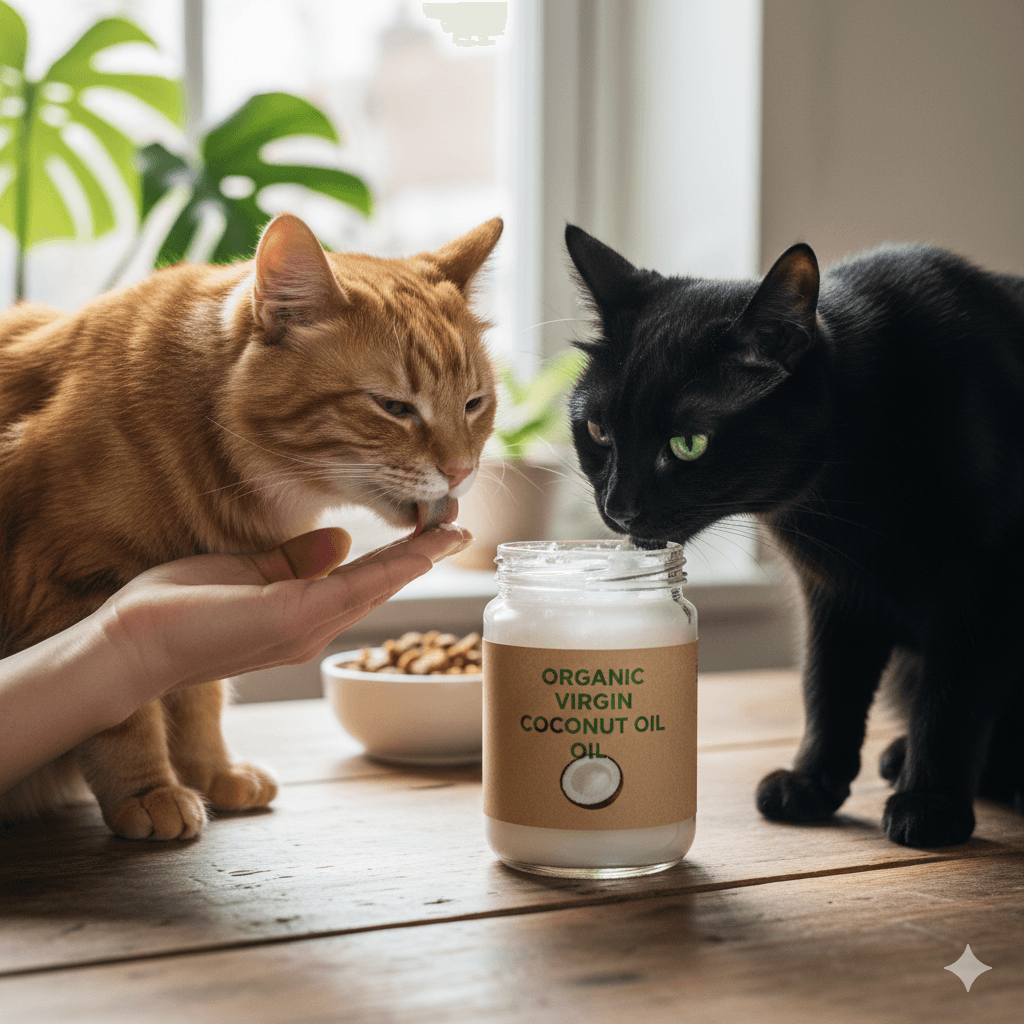
As a devoted cat parent, you’ve likely seen coconut oil hailed as a “superfood” in the human wellness world. From smoothing hair to boosting metabolism, its reputation is stellar. Naturally, when you see your feline friend struggling with a dull coat, itchy skin, or the occasional hairball, you might wonder: Can cats eat coconut oil? The short answer is yes, cats can eat coconut oil, but it isn’t a simple “yes” without caveats. While this tropical oil offers unique Medium Chain Triglycerides (MCTs) that can support feline health, it is also a dense source of fat that requires careful administration.
In this comprehensive guide, we will dive deep into the nutritional profile of coconut oil, its specific benefits for feline dermatology and digestion, the critical risks every owner must know, and exactly how to introduce it into your cat’s diet safely. By the end of this article, you’ll have the expert knowledge needed to decide if coconut oil belongs in your cat’s pantry or if you should stick to traditional salmon oil.
What is Coconut Oil? A Feline Nutritional Perspective
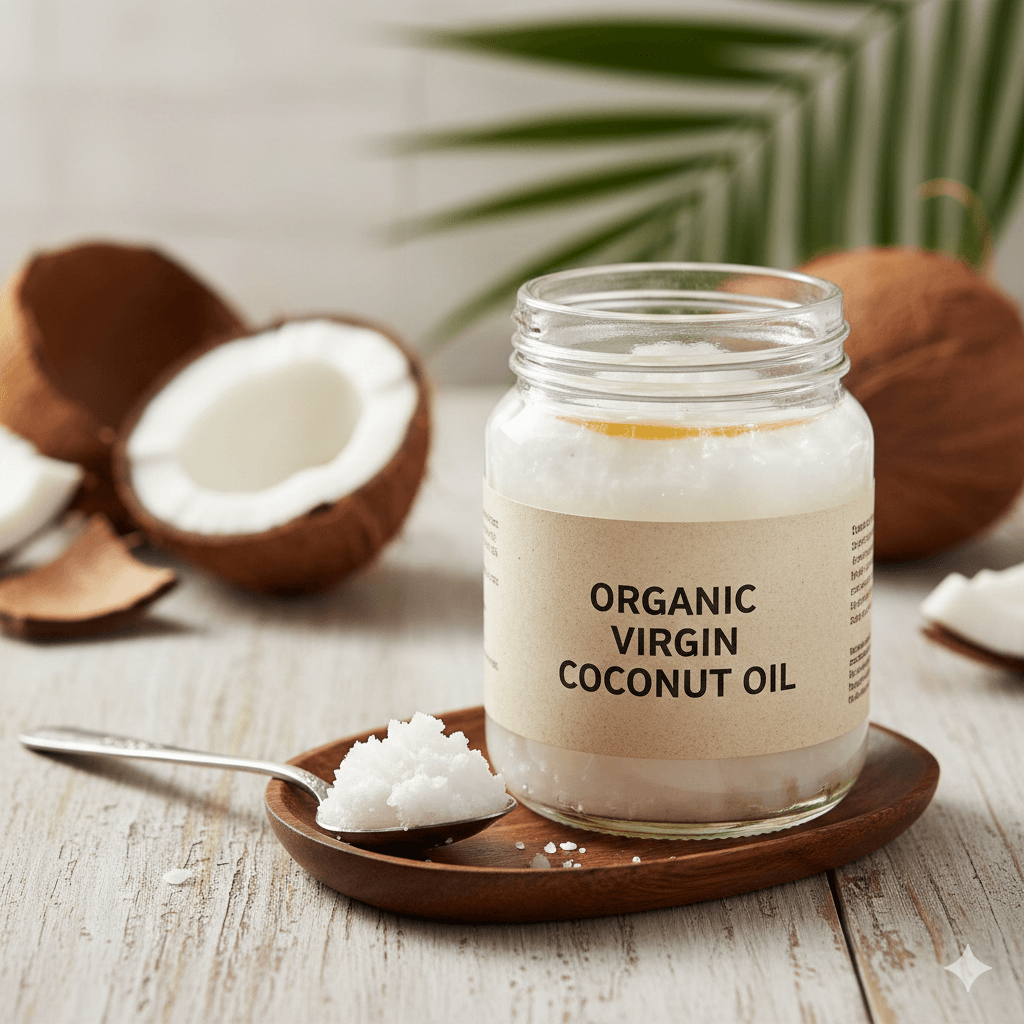
Before we look at the “how,” let’s look at the “what.” Coconut oil is extracted from the meat of mature coconuts. Unlike many other plant-based oils, it is a saturated fat, which is why it remains solid at room temperature.
The Chemistry of Coconut Oil
The primary reason coconut oil is discussed in veterinary nutrition is its high concentration of Lauric Acid and Medium Chain Triglycerides (MCTs).
- Lauric Acid: Known for its antimicrobial and antifungal properties.
- MCTs: These are fats that are more easily digested and converted into energy compared to Long Chain Triglycerides (LCTs) found in other fats.
While cats are obligate carnivores and primarily require animal-based fats (like arachidonic acid), the unique structure of coconut oil allows it to serve as a supplemental energy source and a topical therapeutic agent.
The Benefits: Why Give Coconut Oil to Cats?
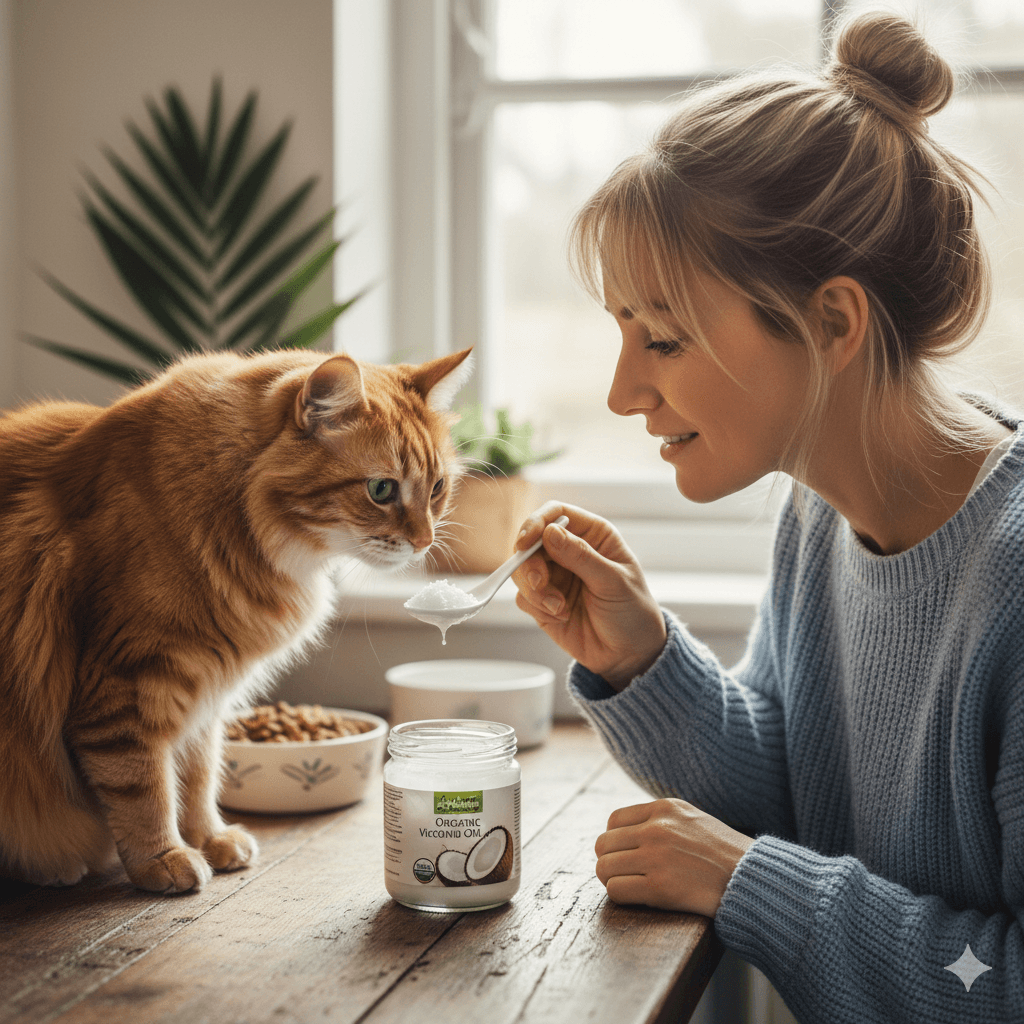
When used correctly, coconut oil can be a versatile tool in your pet care arsenal. Here are the primary reasons veterinarians and holistic pet practitioners suggest its use:
1. Improved Skin and Coat Health
This is the most common reason cat owners turn to coconut oil. Whether applied topically or ingested, it can:
- Hydrate Dry Skin: It acts as a natural moisturizer for cats prone to dander.
- Reduce Inflammation: It can soothe allergic reactions or “hot spots.”
- Enhance Shine: A small amount in the diet can result in a glossier, softer coat.
2. Hairball Management
Cats spend up to 50% of their waking hours grooming. Coconut oil acts as a natural lubricant for the digestive tract. By helping fur pass more easily through the system, it can reduce the frequency of hacking and regurgitated hairballs.
3. Antimicrobial Properties
Thanks to the lauric acid content, coconut oil may help fight off certain bacteria, fungi, and viruses. Some owners use it topically on minor abrasions to prevent infection, though you should always consult a vet for open wounds.
4. Cognitive Support
Emerging research suggests that MCTs may provide an alternative energy source for the brains of aging cats, potentially helping with Feline Cognitive Dysfunction (FCD).
The Risks and Drawbacks: When to Avoid It
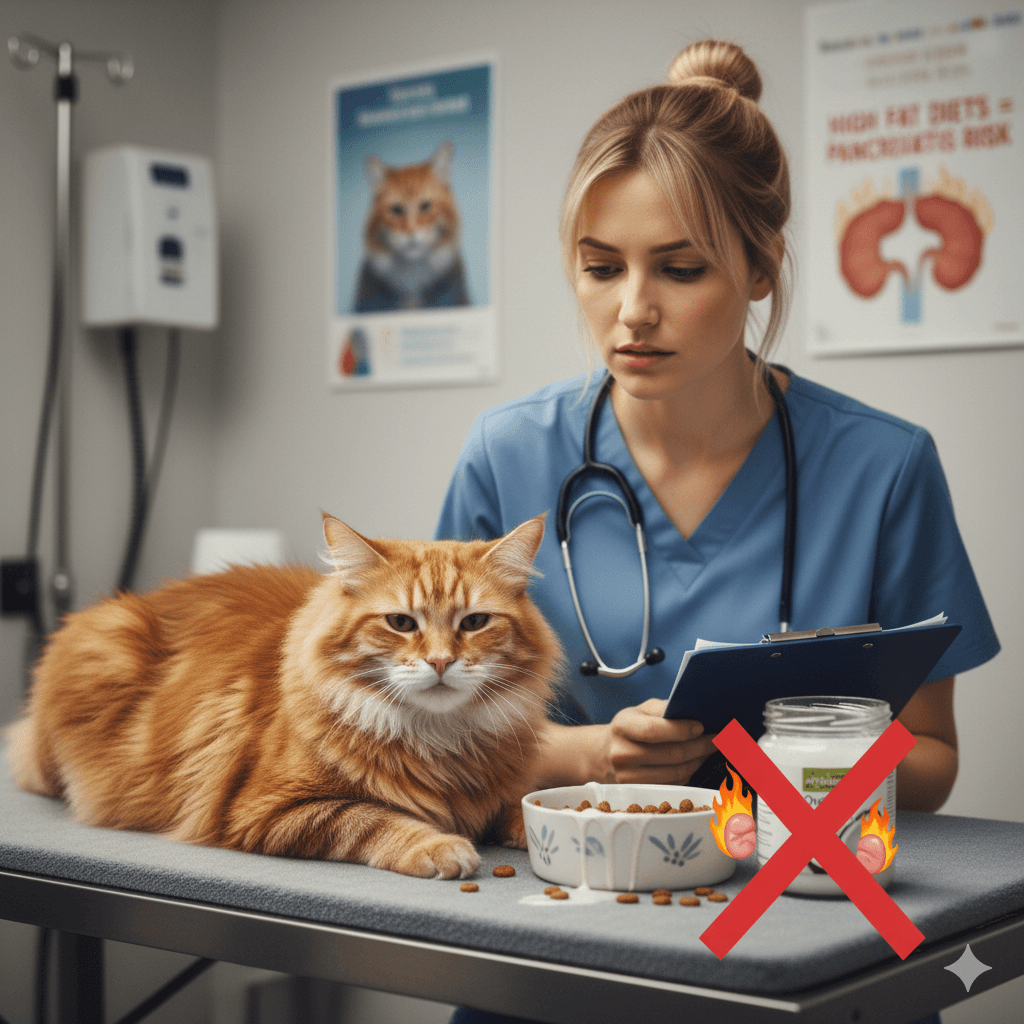
Despite the benefits, coconut oil is not a miracle cure-all. Because it is 100% fat, there are significant risks if mismanaged.
Pancreatitis and Digestive Upset
The most significant risk is pancreatitis—an inflammation of the pancreas often triggered by high-fat meals. Cats with a history of this condition should never consume coconut oil. Even in healthy cats, too much oil can cause:
- Diarrhea or loose stools
- Nausea and vomiting
- Abdominal pain
Weight Gain and Obesity
With approximately 120 calories per tablespoon, coconut oil is incredibly calorie-dense. Adding it to a cat’s daily meal without adjusting their caloric intake can quickly lead to obesity, which puts strain on joints and increases diabetes risk.
Lack of Essential Omega-3s
It is a common misconception that coconut oil can replace fish oil. Coconut oil does not contain EPA or DHA (the essential Omega-3 fatty acids cats need). While it helps with coat shine, it does not provide the same anti-inflammatory heart and kidney support that fish oil does.
Comparison: Coconut Oil vs. Fish Oil for Cats
| Feature | Coconut Oil | Fish Oil (Salmon/Sardine) |
| Primary Fat Type | MCTs (Lauric Acid) | Omega-3 (EPA/DHA) |
| Main Benefit | Skin hydration & Hairballs | Heart, Joint & Kidney health |
| Palatability | High (most cats like the taste) | High (strong fishy scent) |
| Topical Use | Excellent for dry skin/paws | Not recommended (smell/grease) |
| Essential for Cats? | No | Yes (Essential Fatty Acids) |
How to Give Your Cat Coconut Oil: A Step-by-Step Guide
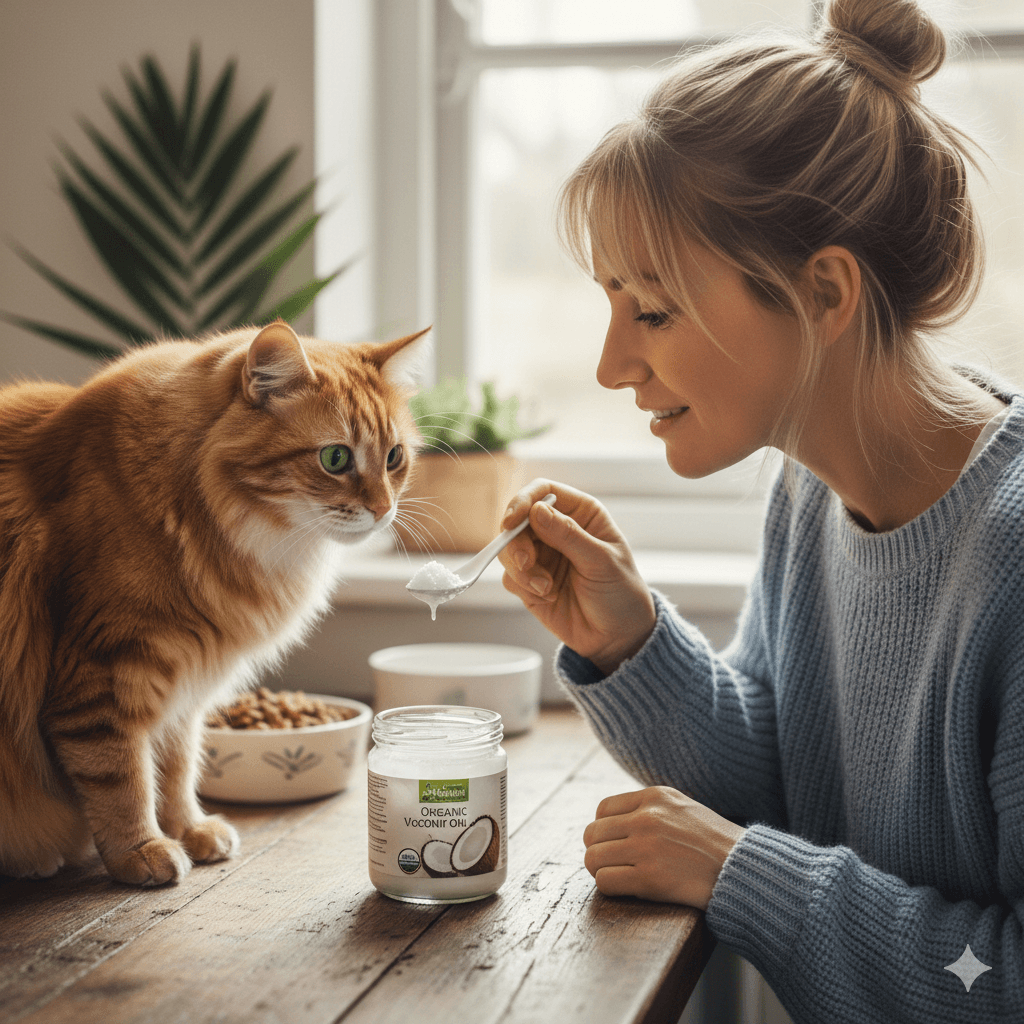
If you’ve decided to try coconut oil, follow this protocol to ensure your cat’s digestive system handles it well.
Step 1: Choose the Right Product
Always buy Organic, Cold-Pressed, Virgin Coconut Oil. Avoid “RBD” (Refined, Bleached, and Deodorized) oils, as they lack the beneficial nutrients and may contain chemical residues. Ensure there are no added flavorings or xylitol (which is toxic).
Step 2: Start Microscopic
Do not start with a teaspoon. Start with a tiny “smidge”—about the size of a pea—mixed into their wet food.
Step 3: Monitor for 48 Hours
Watch for any changes in litter box habits. If your cat develops diarrhea, stop immediately. Their system may not be equipped to process the concentrated fat.
Step 4: Graduate the Dosage
If tolerated, you can slowly increase the amount.
- Average Cat (10 lbs): No more than 1/4 to 1/2 teaspoon per day.
- Large Cat (15+ lbs): No more than 1 teaspoon per day.
Topical Application: Soothing Paws and Skin
If you are worried about the caloric impact of ingestion, topical application is a fantastic alternative.
- For Cracked Paw Pads: Rub a tiny amount between your fingers to melt it, then gently massage into the cat’s pads.
- For Dry Skin: Part the fur and apply directly to the skin.
- The “Lick” Factor: Cats will inevitably lick the oil off. This is fine! It provides a small internal dose while it works its magic externally.
Expert Perspectives: What do Vets Say?
Most veterinarians view coconut oil as a supplemental fat rather than a primary health requirement.
“While coconut oil can be a helpful tool for managing mild constipation or dry skin, it should never exceed 10% of a cat’s daily caloric intake,” says Dr. Arlene Thorne, a feline nutrition specialist. “For cats with sensitive stomachs or hepatic lipidosis risks, the dangers often outweigh the perks.”
Veterinarians generally recommend focusing on a balanced AAFCO-approved diet first, using coconut oil only as a targeted “extra” for specific issues.
Conclusion: Can Cats Eat Coconut Oil Safely?
In summary, cats can eat coconut oil, and many thrive with it as a part of their grooming and wellness routine. Its ability to soothe dry skin, reduce hairballs, and provide a quick energy boost makes it a valuable supplement for many households.
However, remember that coconut oil is a tool, not a cure. Because of the risk of weight gain and pancreatitis, “less is more.” Always prioritize high-quality animal proteins and essential Omega-3s from fish sources, using coconut oil as a functional topper or topical treatment.
Your Next Step: Before adding a jar to your cat’s meal tonight, consult your veterinarian—especially if your cat is overweight or has a history of digestive issues.
Frequently Asked Questions (FAQs)
Can coconut oil help with cat constipation?
Yes, the fats in coconut oil can act as a mild laxative by lubricating the intestines. However, chronic constipation should be treated by a vet to rule out underlying issues like megacolon.
Is coconut oil safe for cats with kidney disease?
Generally, coconut oil is safe in small amounts for cats with CKD, but fish oil is usually preferred because the Omega-3s in fish oil specifically support renal blood flow.
My cat licked a large amount of coconut oil. What should I do?
Monitor them closely for signs of lethargy, vomiting, or severe diarrhea. A large “grease load” can trigger acute pancreatitis. Contact your vet if they seem distressed or refuse to eat their next meal.
Can I use coconut oil to clean my cat’s ears?
While it has antifungal properties, putting oil in a cat’s ear canal can trap moisture and debris, potentially worsening an infection. Use a vet-approved ear cleaner instead.
Does coconut oil kill fleas on cats?
Coconut oil can suffocate some adult fleas upon contact, but it is not an effective flea prevention or treatment. It will not kill flea eggs or larvae in the environment.
Sources & External References
- PetMD:Coconut Oil for Cats: Is It Safe?
- A detailed breakdown of the safety profiles and potential uses of coconut oil in feline diets.
- VCA Animal Hospitals:Pancreatitis in Cats
- Essential reading on why high-fat supplements like coconut oil must be handled carefully in cats.
- Cornell University College of Veterinary Medicine:The Special Needs of the Senior Cat
- Provides context on cognitive health and the role of specialized fats in aging felines.
- American Veterinary Medical Association (AVMA):Pet Supplies and Supplements
- Guidance on how to evaluate supplements and ensure they don’t interfere with a balanced diet.
- National Research Council (NRC):Nutrient Requirements of Dogs and Cats
- The gold standard for understanding the fat and calorie requirements necessary for maintaining feline health.